1. Lifespan and Durability
Ni-Cd: Typically lasts around 3 to 4 years. They suffer from the "memory effect," meaning if they are not fully discharged regularly, their capacity shrinks over time.
LiFePO4: Offers a significantly longer operational life, often lasting 5 to 7 years (up to 2000+ charge cycles). They have no memory effect, making them highly reliable for long-term fire safety compliance.
2. Temperature Resistance and Safety In emergency situations, thermal stability is paramount.
Ni-Cd batteries perform decently in standard environments but can struggle under extreme heat.
LiFePO4 features superior thermal and chemical stability. It can safely withstand higher ambient temperatures inside tightly sealed LED fixtures without the risk of thermal runaway.
3. Environmental Impact and Sustainability European and international regulations (such as RoHS and REACH) are heavily restricting heavy metals.
Ni-Cd contains Cadmium, a highly toxic heavy metal that poses severe recycling and environmental challenges.
LiFePO4 is eco-friendly, non-toxic, and fully compliant with the latest global environmental standards, making it preferred by premium European buyers.
While Ni-Cd remains a cost-effective option for basic projects, LiFePO4 is the ultimate investment for modern, maintenance-free, and compliant emergency lighting solutions.
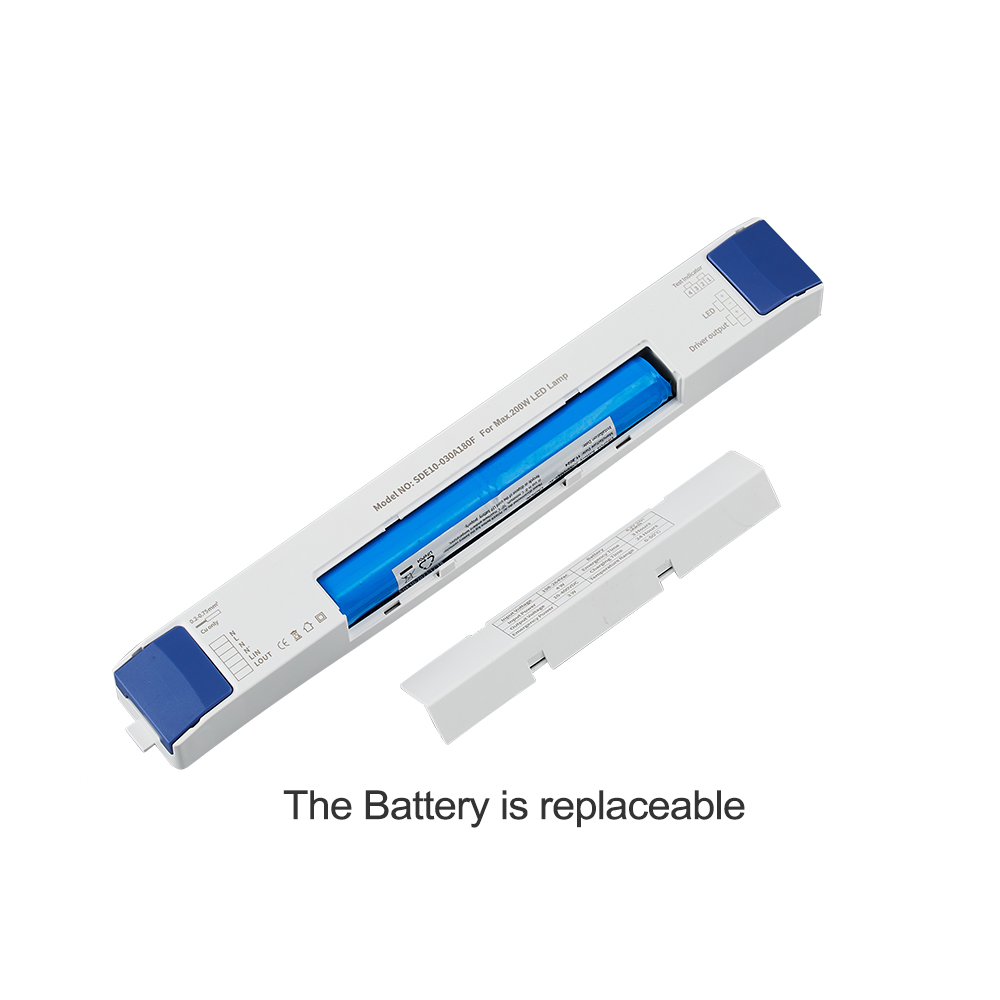
At JIALINGHANG, our high-performance LED emergency kits offer versatile battery configurations tailored to your target market's standards.https://www.jlhemergencylighting.com/led-panel-emergency-kit/67923214.html