

In modern building safety, manual testing of every emergency exit light is time-consuming and labor-intensive. To solve this, international fire codes increasingly mandate the use of automatic self-testing systems. But what exactly is a self-test LED emergency driver, and how does it work?
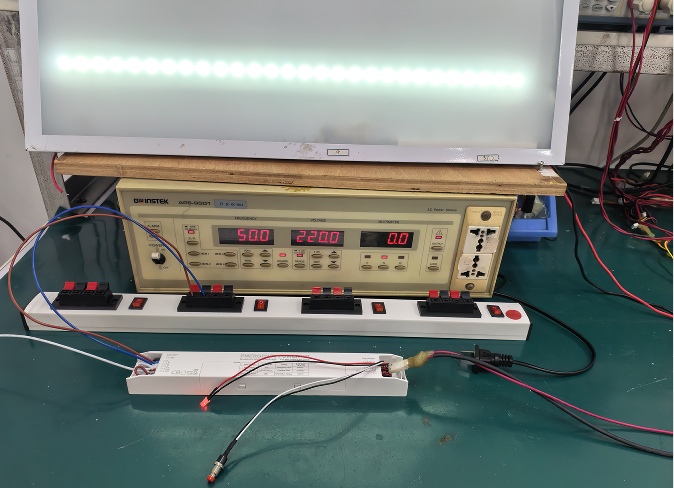
How Does Automatic Self-Testing Work?
An intelligent self-test emergency conversion kit features an integrated microprocessor that automatically performs regular diagnostic routines without interrupting the main power supply:
Monthly Functional Test: The driver automatically switches to battery mode for a short duration (usually 30 seconds to 1 minute) to check the switching functionality and the condition of the LED array.
Annual Duration Test: The system performs a full-scale discharge test to ensure the battery backup can sustain the legally required 3-hour emergency duration.
Visual Status Indicators
Instead of manual inspection, these drivers utilize multi-mode LED status indicators to report the system's health in real-time. A simple green light indicates normal operation, while specific flashing red sequences warn maintenance teams of battery faults, charging issues, or LED load failures.
Why Specify Self-Test Modules for Your Projects?
By integrating self-testing functionality into your lighting layouts, you ensure continuous legal compliance with European CE, CB, and TUV safety standards. It eliminates human error in safety logging and drastically lowers the total cost of ownership for commercial properties.
Discover our range of advanced multi-mode circuitry emergency modules designed to upgrade any standard LED downlight or panel into a fully compliant safety fixture.